
What is the Typical Cost to Implement Construction Collaboration Software
Construction collaboration software costs range from $4,000 annually for small contractors to $100,000+ for enterprise platforms. This comprehensive guide breaks down subscription fees, implementation expenses, and key factors affecting total investment for project managers and construction directors.
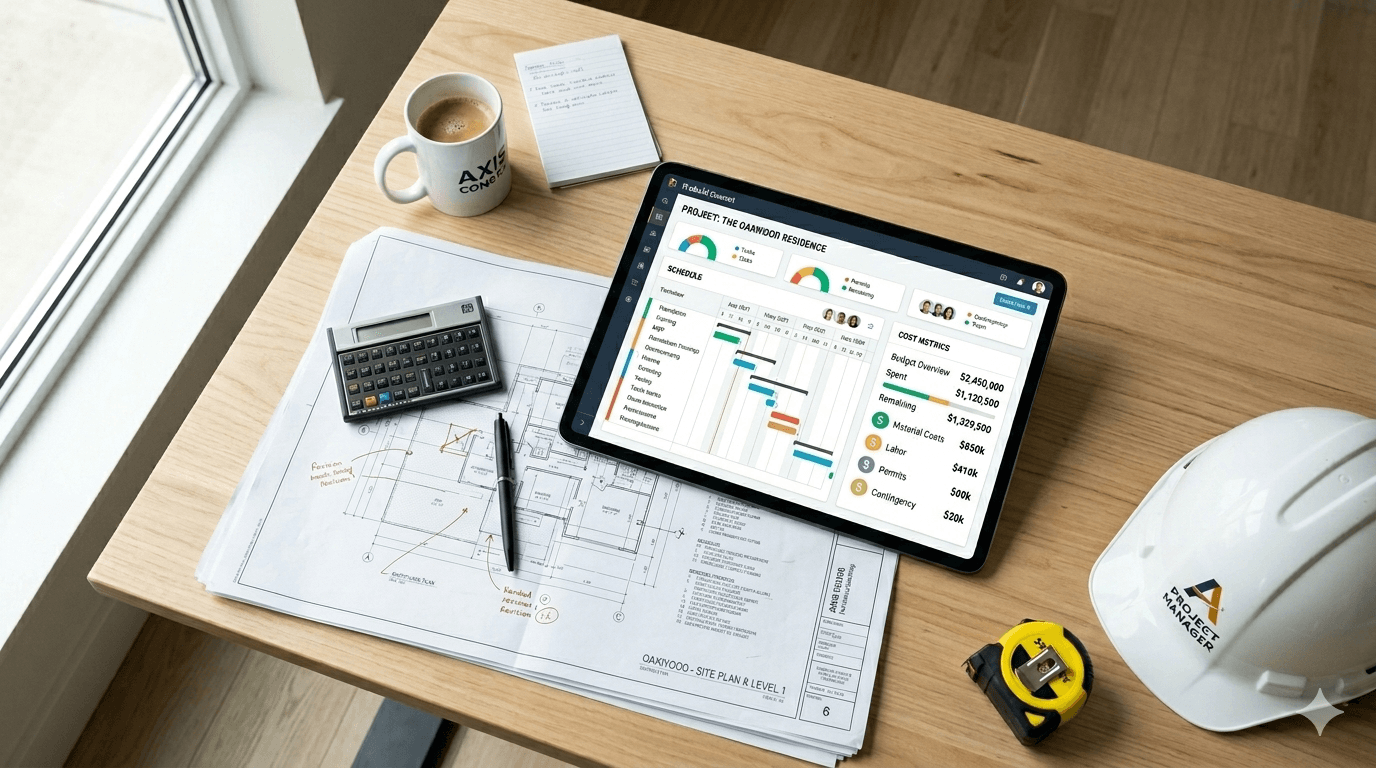
Construction collaboration software has become essential for modern project management, yet many construction directors and project managers struggle to understand the true investment required. With implementation costs ranging from a few thousand to over $400,000 depending on your company's scale and approach, clarity on pricing is critical for budget planning and ROI calculations.
This comprehensive guide breaks down the typical costs for implementing construction collaboration software, from subscription fees to one-time implementation expenses. Whether you're a small contractor or managing enterprise-level operations, you'll gain actionable insights into what to expect when investing in project management software and how emerging technologies like AI in construction are reshaping these cost structures.
Understanding the Cost Structure: Subscription vs. Implementation
Construction collaboration software costs typically divide into two main categories: recurring subscription fees and one-time implementation expenses. Understanding this distinction is crucial for accurate budget forecasting and avoiding unexpected costs down the line.
Subscription/License Costs: Ongoing monthly or annual fees for software access, support, and updates
Implementation/Onboarding Costs: One-time expenses for setup, configuration, training, and data migration
Hidden Costs: Integration expenses, custom development, additional user licenses, and ongoing training
Scalability Factors: Costs that increase with project volume, user count, or feature requirements
The total cost of ownership extends beyond the initial price tag. Smart construction project managers account for both immediate implementation expenses and long-term subscription commitments when evaluating construction collaboration platforms like Urkla and similar solutions.
Subscription and License Costs by Company Size
Pricing models for project management software vary dramatically based on your organization's scale, project complexity, and feature requirements. Cloud-based construction collaboration tools typically follow per-user or volume-based pricing structures.
Small Contractors and Startups
Per-User Pricing: Most cloud platforms charge $30–$150 per user per month depending on feature sets
Small Business Bundles: All-in packages typically range from $4,000–$10,000 annually for established platforms
Entry-Level Solutions: Simpler mid-market SaaS options offer packages under $100–$500 per month for small teams
Feature Trade-offs: Lower-tier plans may limit project counts, storage, or advanced modules like AI-powered analytics
Mid-Size Construction Companies
Annual Subscriptions: Typically fall in the $10,000–$25,000+ range annually for established platforms
Volume-Based Pricing: Some vendors charge approximately 0.1–0.2% of annual construction volume
Module Selection: Costs increase with additional features like scheduling, cost tracking, and document management
Multi-Project Support: Pricing scales with the number of concurrent active projects
Enterprise and Large Contractors
Enterprise Licensing: Annual fees range from $25,000 to $100,000+ for comprehensive platforms
Custom Pricing Models: Often negotiated based on user count, project volume, and specific requirements
Advanced Features: Enterprise tiers include AI-powered insights, advanced analytics, and unlimited integrations
Dedicated Support: Premium plans include account managers, priority support, and custom training programs
💡 Expert Tip
Start with a pilot program using a lower-tier subscription before committing to enterprise licensing. This allows you to validate ROI with real project data and negotiate better terms based on demonstrated value.
One-Time Implementation and Onboarding Costs
Implementation expenses often catch construction directors by surprise, yet they're critical for successful adoption. These one-time costs can match or exceed annual subscription fees, particularly for mid-size and enterprise deployments requiring extensive customization and training.
Small Firm Implementation
Vendor-Led Onboarding: Expect $5,000–$15,000 for professional implementation services
Basic Data Migration: Simple data transfers typically cost $3,000–$8,000
Self-Service Options: Some platforms offer free onboarding with reduced support for tech-savvy teams
Training Requirements: Initial user training and documentation setup included in most packages
Mid-Size Company Implementation
Comprehensive Setup: Implementation typically ranges $25,000–$50,000+
Integration Services: Connecting to existing ERP, accounting, and BIM systems adds substantial costs
Department Workshops: Multi-team training across site managers, project managers, and executives
Data Migration: Complex legacy data transfers cost $8,000–$25,000
Process Optimization: Workflow mapping and best practice configuration included
Enterprise Implementation Programs
Full-Scale Deployment: Enterprise implementations run $50,000 to $200,000+
Legacy System Integration: Complex connections to multiple existing platforms drive costs higher
Multi-Location Rollout: Coordinating deployment across regional offices and project sites
Change Management: Dedicated resources for organizational adoption and user resistance mitigation
Advanced Data Migration: Historical project data, documents, and records transfer costs $25,000–$75,000+
Custom Development: Building vs. Buying
Some organizations consider developing custom construction collaboration platforms instead of subscribing to existing solutions. While this offers maximum customization, the investment and ongoing maintenance requirements significantly exceed SaaS subscriptions.
Development Cost Ranges
MVP Platform: Basic scheduling, cost tracking, and document management costs approximately $40,000–$80,000
Mid-Scale Enterprise Platform: Enhanced features with reporting and integrations range $80,000–$180,000
Full Enterprise Ecosystem: Comprehensive platform with AI analytics, mobile apps, and deep integrations costs $180,000–$400,000+
Ongoing Maintenance: Annual cloud hosting, updates, security, and support easily add tens of thousands yearly
Build vs. Buy Considerations
Time to Value: SaaS solutions deploy in weeks versus months for custom development
Feature Evolution: Vendors continuously update with new capabilities including AI in construction features
Support Burden: Custom platforms require dedicated IT resources for maintenance and troubleshooting
Scalability Risks: Growing beyond initial specifications often requires expensive redevelopment
Competitive Disadvantage: Missing industry-standard features that competitors leverage
💡 Expert Tip
Unless your construction processes are highly specialized and differentiated, established platforms like Urkla offer better ROI than custom development. The AI-powered features and continuous innovation in modern construction collaboration software justify the subscription model for most organizations.
Factors That Impact Your Total Investment
Beyond base subscription and implementation costs, several variables significantly affect your total investment in project management software. Understanding these factors helps construction directors build accurate budgets and avoid scope creep.
User Count and Growth: Per-user pricing means expansion costs scale linearly with team growth
Project Complexity: Multi-phase projects with subcontractor coordination require premium features
Integration Requirements: Connecting to existing ERP, accounting, and scheduling systems adds cost
Mobile Access Needs: Field teams require robust mobile apps with offline functionality
Data Storage Volume: Large document libraries, photos, and models may trigger storage surcharges
Compliance Requirements: Industry-specific regulations may necessitate specialized modules
Training Frequency: High turnover rates increase ongoing training and onboarding expenses
Customization Level: Custom workflows, reports, and dashboards require additional configuration time
Key Takeaways
Small contractors can expect $30–$150 per user monthly or $4,000–$10,000 annual bundles plus $5,000–$15,000 implementation
Mid-size companies typically invest $10,000–$25,000+ annually with $25,000–$50,000 implementation costs
Enterprise deployments range from $25,000–$100,000+ per year with implementation programs costing $50,000–$200,000+
Custom development requires $40,000–$400,000+ upfront plus substantial ongoing maintenance versus predictable SaaS subscriptions
Total cost of ownership includes subscription, implementation, integration, training, and ongoing support—not just the advertised license fee
Frequently Asked Questions (FAQ)
How long does it typically take to implement construction collaboration software?
Implementation timelines vary by company size and complexity. Small contractors can go live in 2-4 weeks with basic setup, while mid-size companies typically need 6-12 weeks for comprehensive deployment. Enterprise implementations often require 3-6 months for full rollout across multiple locations, including training, integration, and change management activities.
Can we reduce implementation costs by handling setup internally?
Yes, but with trade-offs. Self-service implementation can save $5,000-$50,000 depending on scale, but requires significant internal IT resources and construction technology expertise. Most companies find that vendor-led implementation delivers faster time-to-value and better adoption rates, ultimately providing superior ROI despite higher upfront costs.
What percentage of our construction volume should we budget for collaboration software?
Industry benchmarks suggest allocating approximately 0.1-0.3% of annual construction volume for project management software, including both subscription and implementation costs. For a company with $50 million in annual volume, this translates to $50,000-$150,000 for comprehensive collaboration platforms with proper implementation support.
How does AI in construction affect software pricing?
AI-powered features like predictive analytics, automated scheduling, and risk detection typically appear in premium tier subscriptions, adding 20-40% to base pricing. However, these capabilities can deliver significant ROI through improved decision-making, reduced delays, and better resource utilization. Platforms like Urkla integrate AI features that often justify the premium through measurable project performance improvements.
Should we choose per-user or volume-based pricing models?
Per-user pricing works best for smaller companies with limited teams and predictable user counts, offering transparent, scalable costs. Volume-based pricing (percentage of construction volume) benefits larger contractors with fluctuating team sizes but consistent project pipelines. Evaluate both models based on your growth projections, typical project staffing, and whether you employ more permanent staff or project-based contractors.
Conclusion
Understanding the true cost of construction collaboration software empowers project managers and construction directors to make informed investment decisions. While subscription costs range from $4,000 annually for small contractors to $100,000+ for enterprise platforms, implementation expenses often equal or exceed first-year subscription fees. The key to maximizing ROI lies in accurately scoping your requirements, selecting the right pricing model for your business scale, and budgeting adequately for professional implementation services that ensure successful adoption.
Whether you're evaluating established platforms or emerging solutions like Urkla with integrated AI capabilities, focus on total cost of ownership rather than just subscription prices. The construction industry increasingly recognizes that effective collaboration software delivers measurable returns through reduced delays, improved communication, and better project outcomes. Start with a pilot program to validate value, negotiate implementation support into your contract, and plan for gradual expansion as your team demonstrates success with the platform.